


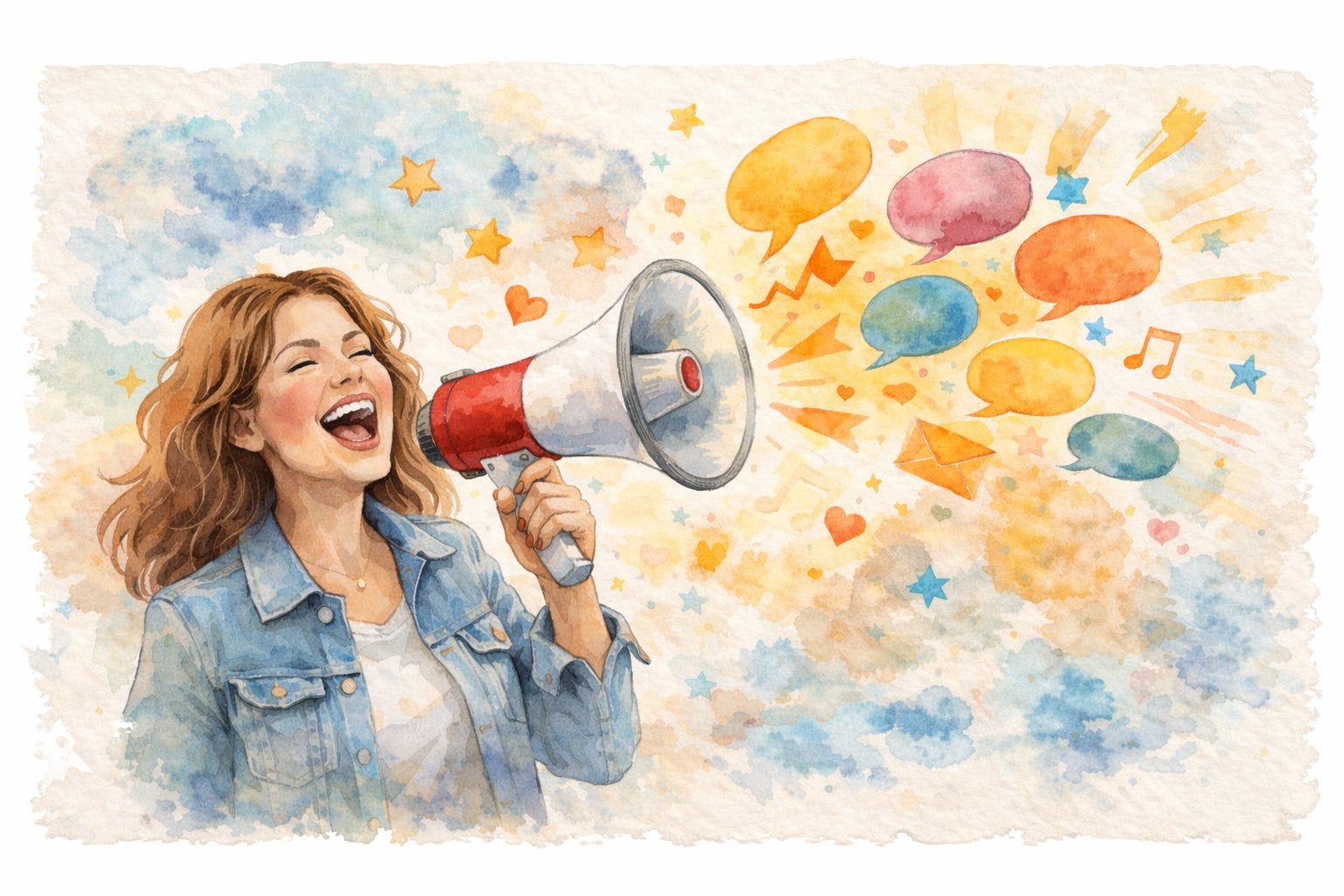
I have a confession — I’m an oversharer.
You know that pained look people get when their discomfort over a conversation has become so excruciating you can literally see them planning an escape route? I’ve seen it many times in my life, and I’m still not inured to it.
The minute I see that expression on someone’s face, Michael Stipe starts singing in my head:
Oh, no! I’ve said too much.
But maybe we’re missing the message in another line from that song:
I haven’t said enough.
The exquisite discomfort of vulnerability
We all have close friends we can tell just about anything. I certainly do. They’re accustomed to hearing all my beautiful and ugly truths, and I welcome theirs.
But not everyone enjoys open, honest, raw discourse. It feels like someone says these things (or a subtle variation) to me at least once or twice a month:
You’re so open!
I appreciate your candor.
You’re brave for letting people see that side of you.
Um… thanks for sharing?
I’m a pretty good people-reader, and every one of those statements usually feels like code for:
Stop! You’re embarrassing yourself and you’re making me twitch.
I have ADHD, so lacking a filter and oversharing are kinda my thing. A few conversations I’ve had over the years that made my conversation partners blink, cringe, and stare in uncomfortable silence include:
Informing my doctor that my earliest core memory was of my grandmother chasing me around the house with a loaded mint green enema syringe and shouting, “It’s just a squirt in the butt! You need to poop!”
Traumatizing a friend who’d commented that my hatred for constrictive necklines was because I’d been choked in a previous life by saying, “Oh, no, dude — I was choked in this one.”
Telling a quartet of octogenarian women that no, I never called my father “Daddy,” only “Dad,” and then adding that I didn’t even call my sex partner “Daddy,” but that didn’t mean I was above some light spanking.
And yeah, sometimes I’m distressed or embarrassed by the things I put out there into the world. I don’t like to see people uncomfortable. I don’t like to be uncomfortable.
But I see the beauty in vulnerability, and I will defend oversharing until my dying breath.
The beauty in vulnerability
We tend to save our most vulnerable thoughts, feelings, and confessions for the people closest to us. And some of us keep them almost entirely to ourselves.
Being buttoned up is a Western social norm.
But should it be? We miss a lot when we keep ourselves entirely to ourselves. I don’t know about you, but when I die, I don’t want to leave this earth as an enigma. When it comes time for my family to hold a Celebration of Life in my honor, I hope people celebrate me authentically. And that will only happen if I’m authentic with them.
Being an open book has many advantages we tend to overlook.
You create connections
Vulnerability helps to build genuine connections. When you share your fears, hopes, dreams, and experiences honestly and openly, you invite others to see and understand the real you.
You help people trust you
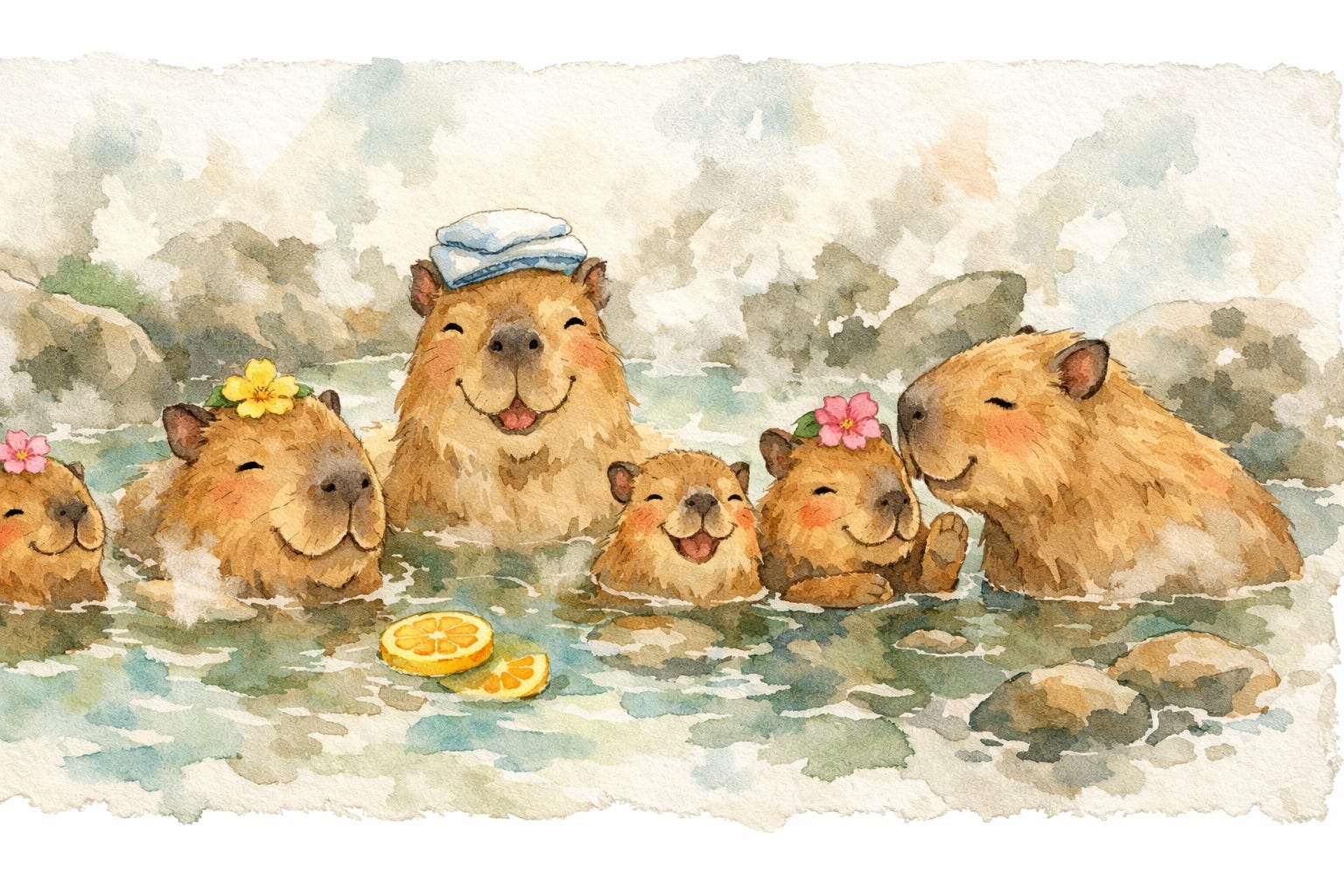
Being open about your weaknesses and flaws opens the door for trust. It shows people that you’re human and creates space for them to be human, too. And don’t we all want to be more human? (Unless you can be a capybara. Because then, totally be a capybara. Everybody loves them!)
You learn to heal
Vulnerability can be a potent catalyst for emotional healing. I’m not talking about venting, griping, or dredging up trauma for the sake of it. (There’s evidence that talking about trauma can make it worse in some cases.) But if powerful feelings surface about your experiences, talking about them can help you feel less alone and reveal the people who’ll support you when you need it most.
You build a bridge to self-acceptance
This has been a tough one for me. I’ve wasted many years of my life feeling like I wasn’t enough, doubting my abilities, and simply not liking myself very much. But being open about your emotions can help you understand them, manage them, and even get a sense of the impact they have on others. The emotional intelligence you gain will take you far.
You invite empathy to the table
I believe a lot of the political and social unrest we experience as a society stems from an inability or unwillingness to empathize. (And when I wrote this piece for Medium originally, back in 2024, I had no idea how far we’d fallen in the U.S. in the empathy department.)
Healing divides involves more than just looking at the other person’s point of view. You have to look at the whole package — their fears, struggles, hopes, aspirations, and needs. When your own “whole package” is open and on the table, you create an environment where other people feel comfortable enough to start unpacking their stuff. And when they do, mutual empathy grows.
So, don’t be afraid to live out loud. Stop worrying about being cringey and let others see your authentic, messy, adorably imperfect self.
A little discomfort, every now and then, is a good thing … don’t you think?
Who wouldn't laugh at the first of your examples? All of them read to me as things someone with a writer's mind could easily feel compelled to say. And we're all human, so why hide our common humanity, right?